






People of Petticoat Lane: Prince Monolulu
Lion tamer, fire eater, street dentist, preacher, tribal chief, boxer, prisoner of war and celebrity tipster – Prince Monolulu was a man of many talents. His larger-than-life personality made him one of the most recognisable figures of his time, and we’re proud to share that the Lane played a part in this enigmatic figure’s success.
Allow us to introduce you to one of London’s most spellbinding personalities.
Born Peter Carl Mackay in the Danish West Indies in 1881, Monolulu wasn’t short of stories by the time he landed in London in 1902. He claimed to have been kidnapped to work aboard a British ship (assuming princely status in the hope of better treatment) before being shipwrecked off the Portuguese coast and having to find passage to New York, where he worked various jobs before travelling to England. Quite the origin story (if you believe it).
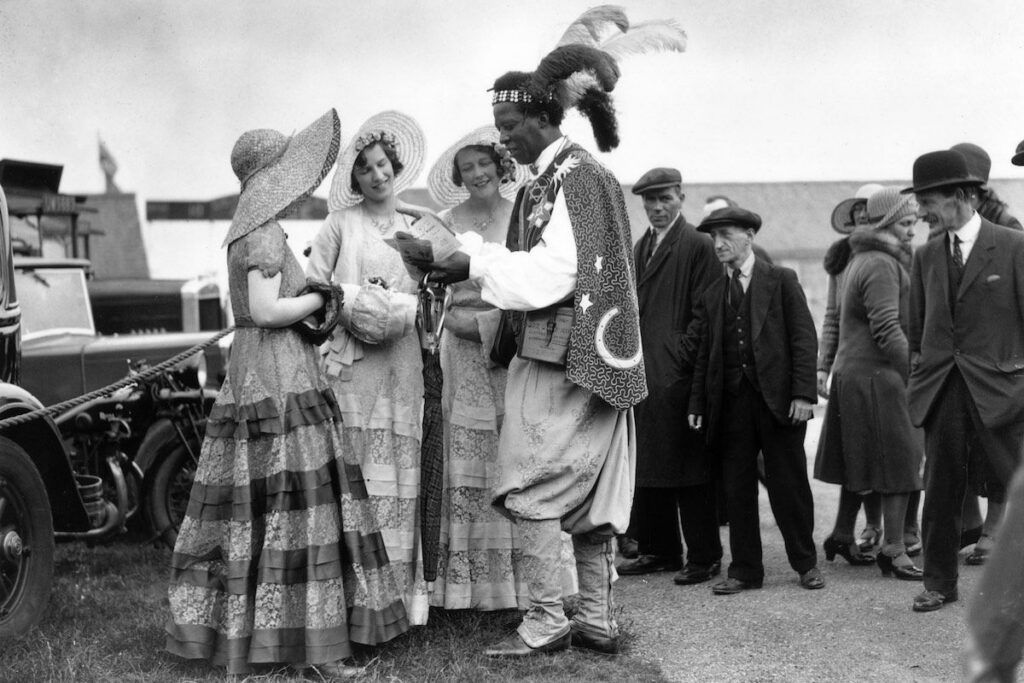
However he got here, Monolulu first kept a (relatively) low profile working as an entertainer. That was until 1920, when a bet paid off at the Derby and a 100-6 outsider on Spion Kop saw him heading home with a whopping £8,000 – roughly £400,000 in today’s terms. But he hadn’t been shy with his tip, holding court as a self-styled Abyssinian tribal chief and shouting out:
“I’ve gotta horse to beat the favourite. Spion Kop will win the Derby. Put your shirt on it, put your pants on it. And when you win – roast beef, two veg, Yorkshire pudding, and God save the King.”
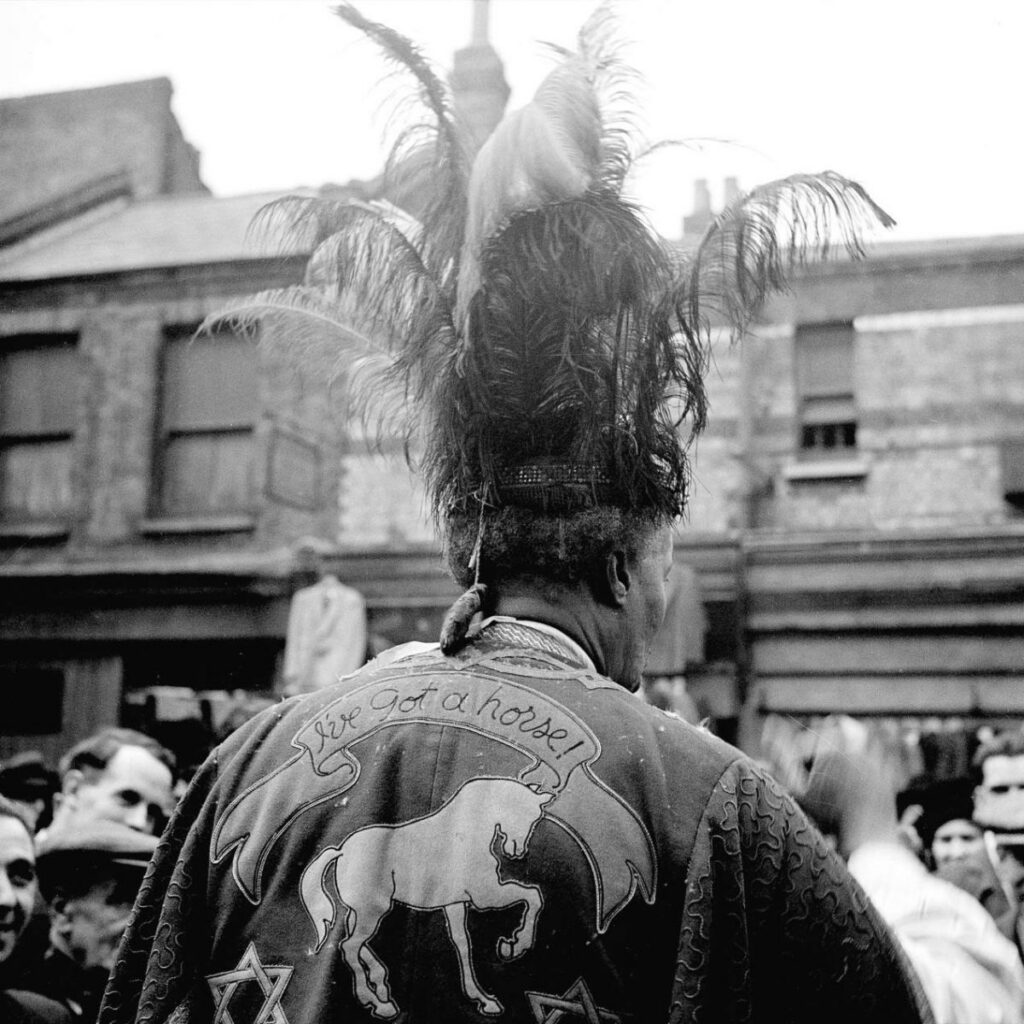
But what’s this got to do with Petticoat Lane? Well, the Prince had a regular pitch on the Lane where he’d sell his tips in envelopes and practice his patter. His iconic “I gotta horse” could be heard booming far and wide, Stories of London blogger Charles S. P. Jenkins recalls:
“The first time that I saw the Prince, I was very young. Being young, I did not have the good fortune to see him at a racetrack. I first saw him surrounded by a large crowd and holding court down the Lane…
My first encounter with the Prince was not by sight, but rather by sound. He had been blessed with a loud voice and my attention was drawn to the sound of someone yelling something out in the distance. As we came closer, I could see a crowd of people and I could hear ‘I gotta horse, I gotta horse.’
Suddenly, the crowd seemed to part and there before me in full regalia was the Prince. I stood there astonished at the sight of this majestic looking man. The Prince was, or so I thought, of an enormous height that seemed to equal the size of his personality. When he was in the vicinity, one always knew exactly where he was since his booming voice would carry a large distance and help identify his location.”
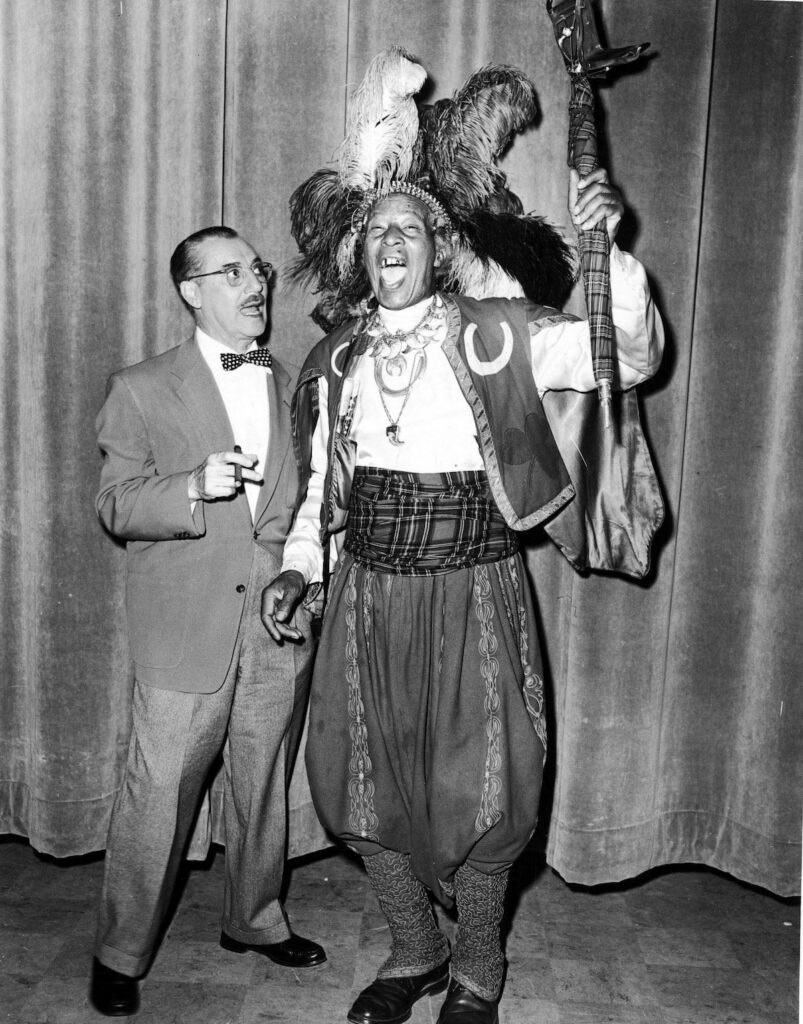
The Prince passed on in 1965. His vibrant life aside, he was a hugely important figure when it came to changing attitudes.
As broadcaster Stephen K Amos put it in a BBC interview, “He could have just put his head down, worked in a factory or transport system, and lived a regular life. He chose not to do that in the same way I chose not to do that. He wasn’t a minstrel. He’s a national treasure, no question about it.”
Image credit: Topical Press Agency / Hulton Archive / Getty Images
Keen to find out more about the history of Petticoat Lane and the people who shape it? Visit the Petticoat Lane Heritage Trail website for more stories of years gone by.
Real People. Proper Stories
The Japanese Foodie – Naoko Nadiah Hama
Today, we sat down with Naoko Nadiah Hama, co-founder of So Restaurant to talk all things food and life in London.
The Vegan Innovator – Rickard Daun
We have a very special cafe here on the Lane – “the world’s first fully vegan Scandinavian inspired eatery”.
The Cockney Sikh – Suresh Singh
Born and bred in Spitalfields, Suresh Singh (aka The Cockney Sikh) has a CV to make your eyes pop: he’s an architect, …